Got a thirsty, hungry, unusually energetic feline on your hands? Diabetes is surprisingly common in cats, especially Burmese breeds. This practical guide explains what causes it, how to spot the signs and what to expect after diagnosis.
Diabetes doesn’t just affect humans, it occurs in pets too, although it isn’t as common for them. Just like in people, a mix of factors such as underlying health conditions, age and lifestyle can influence your cat’s risk of developing diabetes.
Vet Dr Nick Emerton, General Manager for Clinical Excellence at VetPartners, says there are three major red flags when it comes to spotting signs of feline diabetes:
- Weight loss (especially if their appetite is either the same or bigger – although some cats with diabetes do have a reduced appetite)
- Drinking more water than usual
- Urinating more than usual (and weeing accidents).
Vomiting, weakness, poor coat quality, irritability and cloudy eyes can also be signs of feline diabetes. In rare cases, a cat with diabetes might walk or stand on their back legs with their ankles either touching or too close to the ground.
Fortunately, diabetes in cats is very treatable – and if it’s picked up early, the odds of it seriously affecting your cat are lower. So if your cat is having regular blood tests, your vet will likely diagnose feline diabetes well before your pet starts showing signs of the condition, Dr Emerton says.
What is feline diabetes?
Similar to how diabetes manifests in humans, feline diabetes happens when your cat’s body can’t use glucose in the usual way and their cells don’t get enough energy to stay healthy.
There are two types of feline diabetes:
- Type 1 diabetes – where the body doesn’t produce enough insulin
- Type 2 diabetes – where the body doesn’t respond to insulin as it should.
Type 2 feline diabetes is more common than type 1. Feline diabetes is more common in cats that are:
- Obese
- Older
- Male
- Neutered
- Physically inactive
- Taking steroid medication
- Burmese.
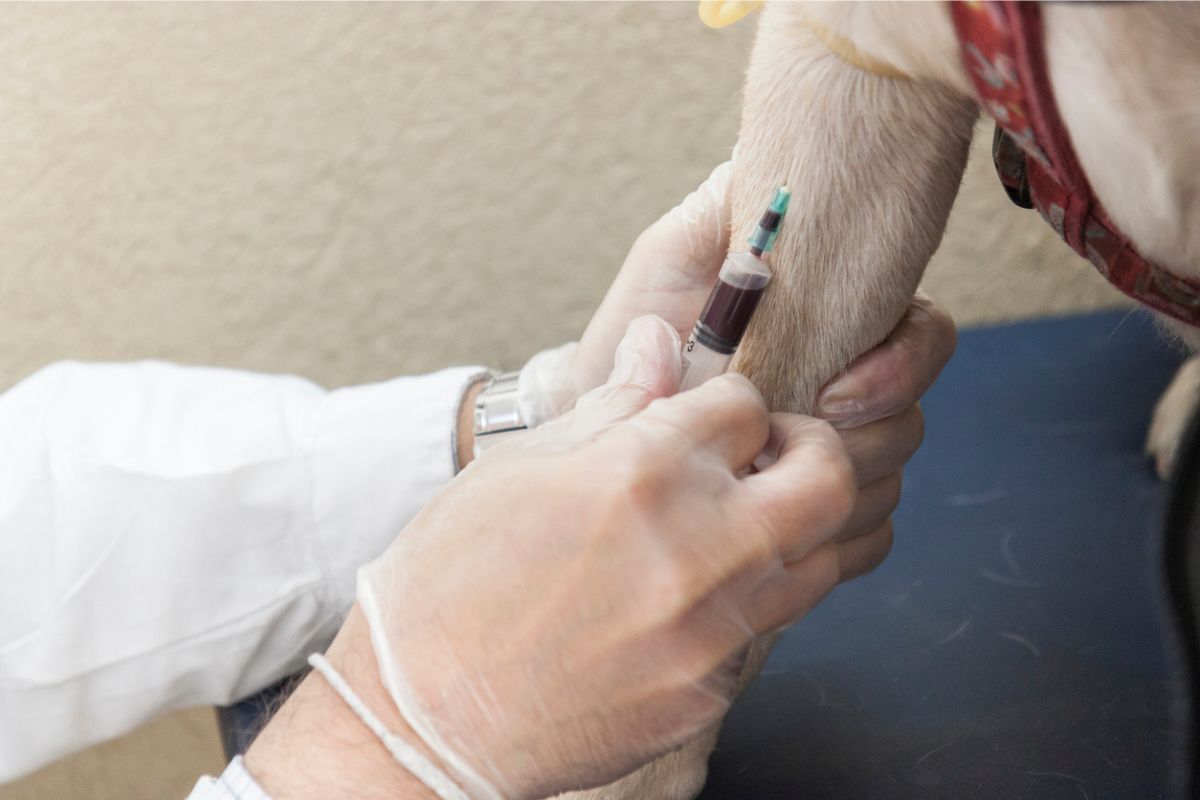
If your vet suspects your cat may have diabetes, they’ll run tests to check the amount of glucose in their blood and urine, before making a diagnosis.
Treating diabetes in cats
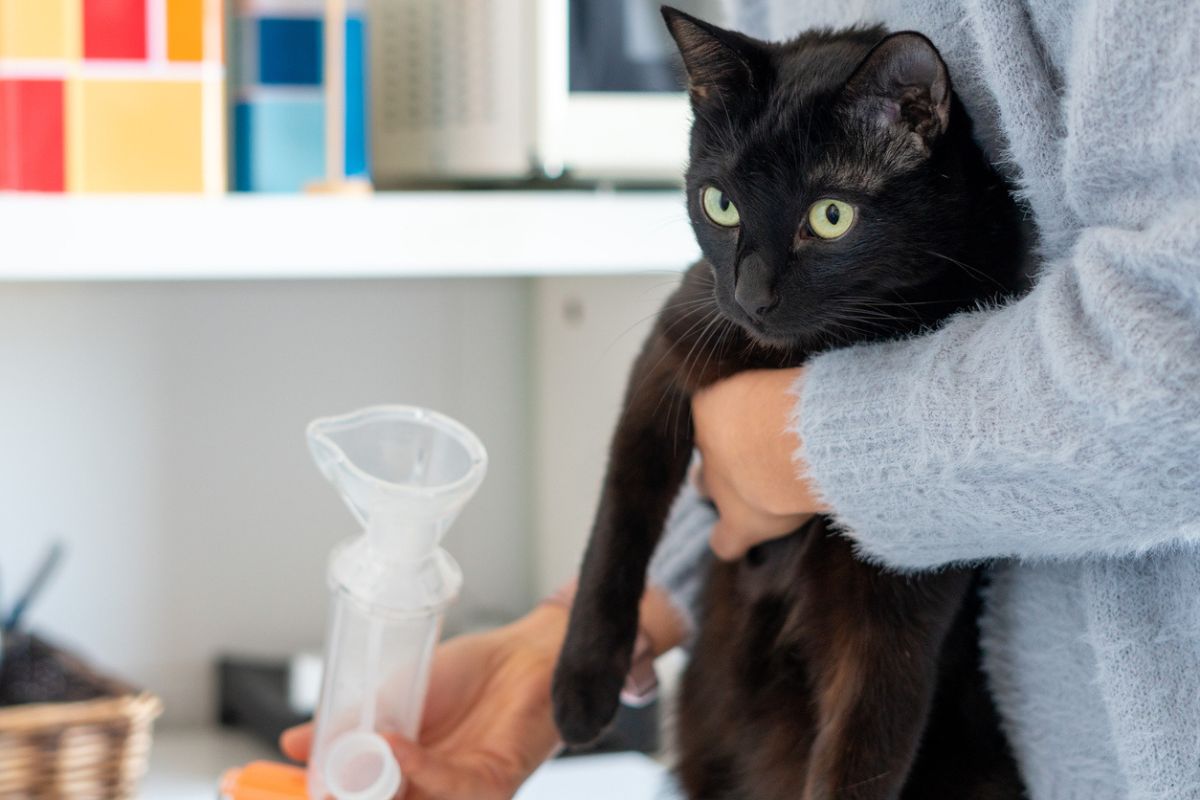
Until recently, feline diabetes used to be treated with twice-daily insulin injections to keep their blood-sugar levels in a healthy range. But in a triumph of modern medicine, vets can now prescribe an oral insulin treatment – making life much less stressful for both you and your cat.
“It’s not applicable to every cat, but around 80% of cats will respond very favourably to this new therapeutic,” Dr Emerton says. “It’s a little expensive, but one bottle will last about three months for the average cat, which does spread the cost. It probably ends up being similar to the cost of insulin and syringes.”
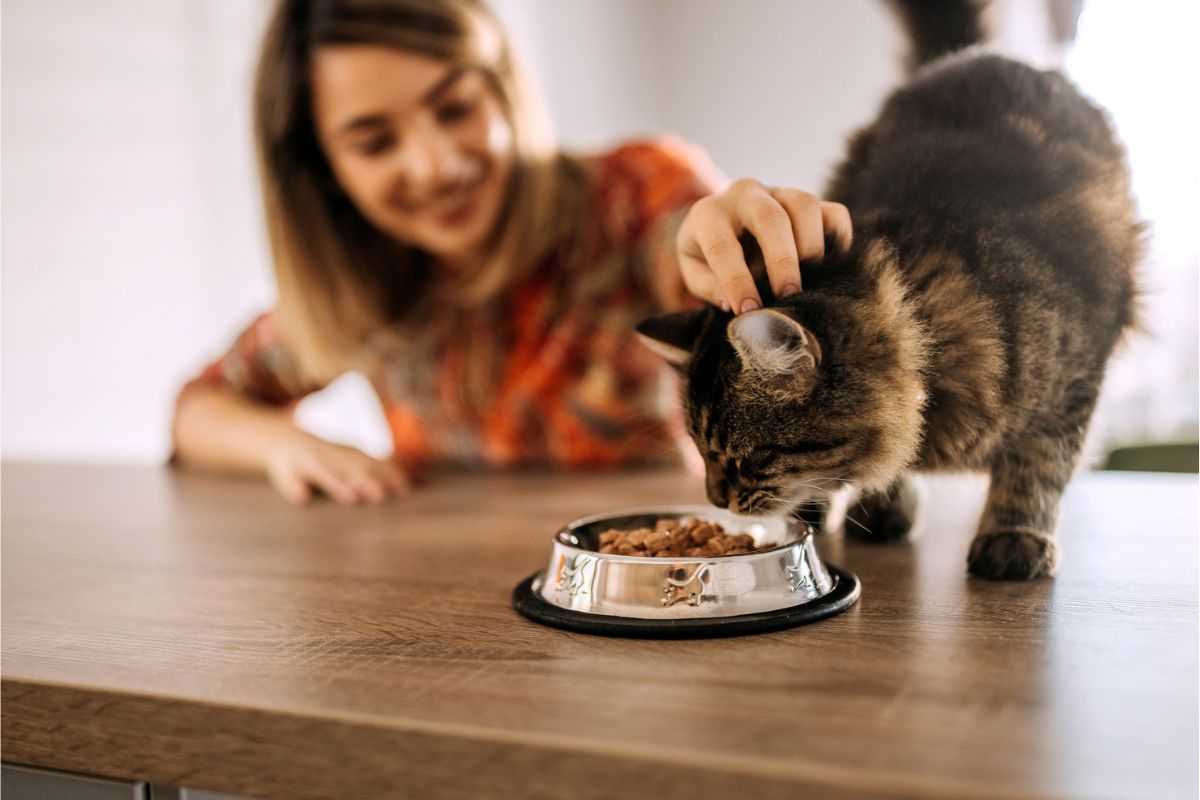
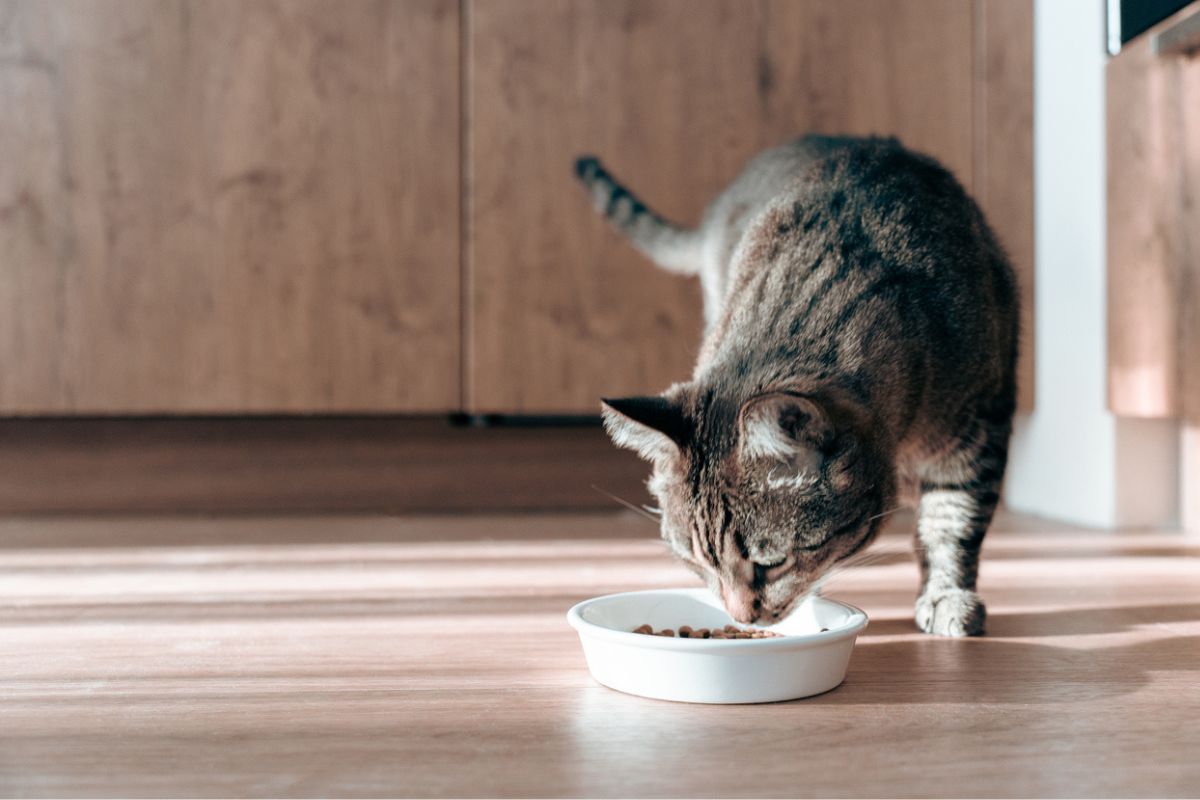
If your cat has feline diabetes you’ll also need to keep an eye on their diet, making sure they’re on a diabetes-appropriate diet (ask your vet for advice on this) and fed regularly. And if your cat is obese, sorry to be the bearer of bad news: they’ll need to lose weight.
Diet is a big lifestyle factor for cats with diabetes, Dr Emerton confirms.
“In people with diabetes, maintaining a fairly regular intake of calories helps keep their blood glucose on an even keel – and it’s very similar with cats. The beauty about cats is they only eat what we feed them. They can’t go down to Maccas and get a filet o’ fish.”
Is diabetes in cats and dogs similar?
Diabetes affects cats and dogs at similar levels, with about 1.5% of dogs and up to 1% of cats being diagnosed with the condition. While dogs are more likely to get type 1 diabetes, cats can get either type (but type 2 is more common). In other words, dogs are more likely to get the condition through an issue with their pancreas, whereas for cats it’s most likely due to obesity, inactivity or genetic factors (in Burmese breeds).