When your pet is unwell or hurt, it can feel overwhelming. Some situations can safely wait for your regular vet, while others call for immediate care. To help you make quick, confident decisions, we asked Dr Erin McKinney and Dr Gillian Gates, Emergency Veterinarians at Southpaws Specialty & Referral Hospital, to share their advice.
Common pet emergencies
Dr McKinney says vomiting and diarrhoea are the most common issues, “because they can come out of nowhere and really worry owners.” Other common pet emergencies include:
- Ingesting toxin or foreign objects
- Breathing difficulties
- Seizures
- Heatstroke
- Trauma from car accidents or animal fights
- Sudden lameness, weakness, or collapse
When to go straight to an emergency vet hospital
Dr Gates says that if your pet shows any of the following signs, don’t wait, head to your emergency vet hospital:
- Difficulty breathing (laboured, noisy or rapid breaths, blue gums or tongue)
- Any episodes of collapse, fainting, sudden weakness, or inability to stand or walk
- Sudden paralysis or loss of use of one or more limbs
- Uncontrolled bleeding or open wounds
- Seizures or repeated twitching episodes
- Ongoing vomiting or diarrhoea, especially with blood
- Suspected toxin or foreign body ingestion (eg chocolate, rat bait, lilies, socks, bones, toys)
- Swollen, painful abdomen or persistent gagging or vomiting without bringing anything up
- Extreme lethargy or being too weak to rise or respond normally
Vet Tip: If you think your pet has eaten something toxic or dangerous, call your emergency vet clinic first. Dr Gates says “owners can always call us to check if ingested material is concerning. Our team is always happy to advice whether they should be worried over the phone.”
When to go to your regular vet
If your pet is otherwise bright and comfortable, these issues can often wait for your regular vet:
- Minor lameness or limping without swelling or severe pain
- A single episode of vomiting or diarrhoea in an otherwise alert pet
- Small superficial cuts or grazes that are not bleeding heavily
- Smelly ears
When in doubt, always call your vet or nearest emergency vet hospital for advice.
What to do in specific situations
- Toxins or foreign bodies: Call your emergency vet hospital immediately. What you do next depends on what was eaten, how much and when. Sometimes your vet will induce vomiting at the clinic, other times that is not advised. Do not try home remedies.
- Seizures: Call your emergency vet hospital as soon as you can. Management depends on your pet’s history and the type of seizure. Clear space around your pet, keep them cool and quiet, and follow the clinic’s guidance about coming straight in.
- Breathing difficulties: Treat any breathing concern as urgent. An emergency team would rather be safe than sorry, so take your pet to your nearest emergency vet hospital straight away for oxygen and assessment.
- Heatstroke: Move your pet out of heat right away, begin active cooling with room temperature water and a fan, place damp towels on your pet’s body and travel in a cool, air-conditioned car. Head to your nearest emergency vet hospital for monitoring.
- Trauma (from car incidents, falls or animal fights): If your pet has been in a fight or accident, or you are worried about any falls, call your emergency vet hospital or come straight in for an assessment. Even if your pet looks fine, hidden injuries are common, especially in cat and small dog breeds.
Quick thinking can save your pet’s life
Acting fast is critical for some patients particularly when a decision needs to be made between heading straight to an emergency vet hospital or your regular vet.
Dr McKinney cites a recent example. “I remember a dog that ate a puffer fish at the beach. The owner got to us within 15 minutes. He went into respiratory arrest within 10 minutes of arriving. We put him on a ventilator, and he went home four days later,” she says. “If traffic or any delay had slowed their decision to come straight to the emergency clinic, he would have died.”
Be prepared for pet emergencies
- Save key numbers on your phone and fridge: your regular vet, nearest 24/7 emergency vet hospital, Animal Poisons Helpline 1300 TOX PET (1300 869 738)
- Know your pet’s history: bring current medications and recent medical records if you have them to the emergency vet hospital and know what and when your pet ate if there is an ingestion risk.
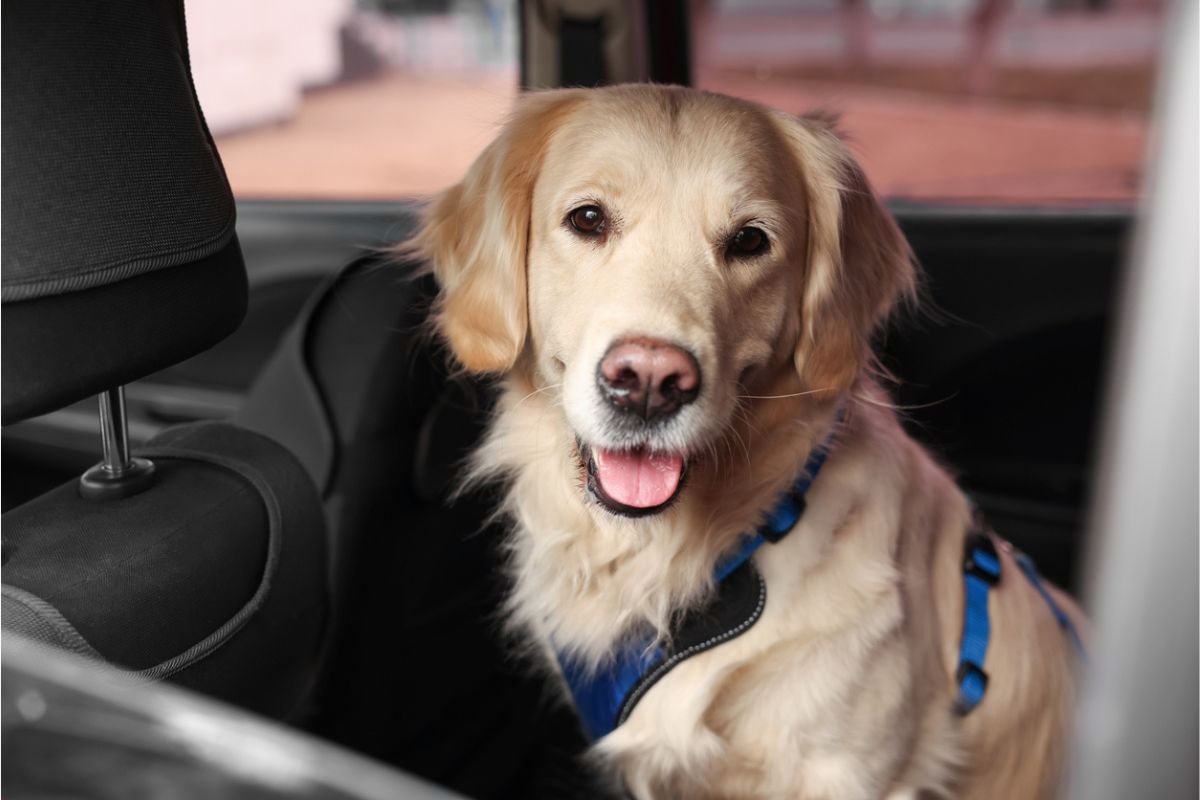
- Transport safely: put your dogs on a lead and your cats in a secure, well-ventilated carrier that opens easily, when transporting them to your emergency vet hospital.
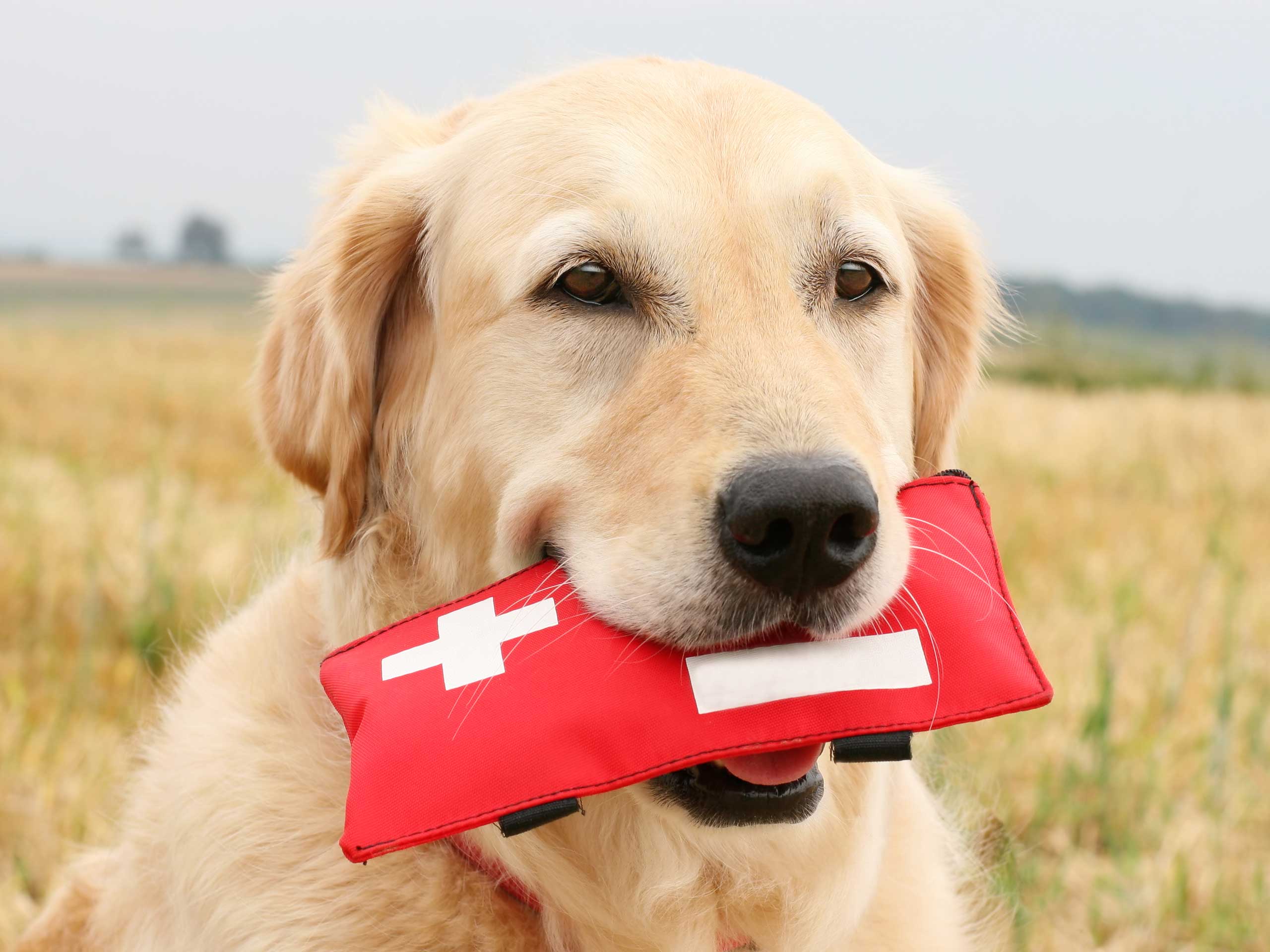
First aid basics you need to know
- Stop bleeding by applying gentle pressure
- If your pet is overheated, cool them with damp towels and ensure the car is air-conditioned while travelling to the emergency vet hospital.
- Do not induce vomiting at home and avoid replying on “Dr Google” for advice
- Know the quickest route and travel time to your nearest emergency vet hospital
Learn more first aid tips for common pet injuries in this guide.