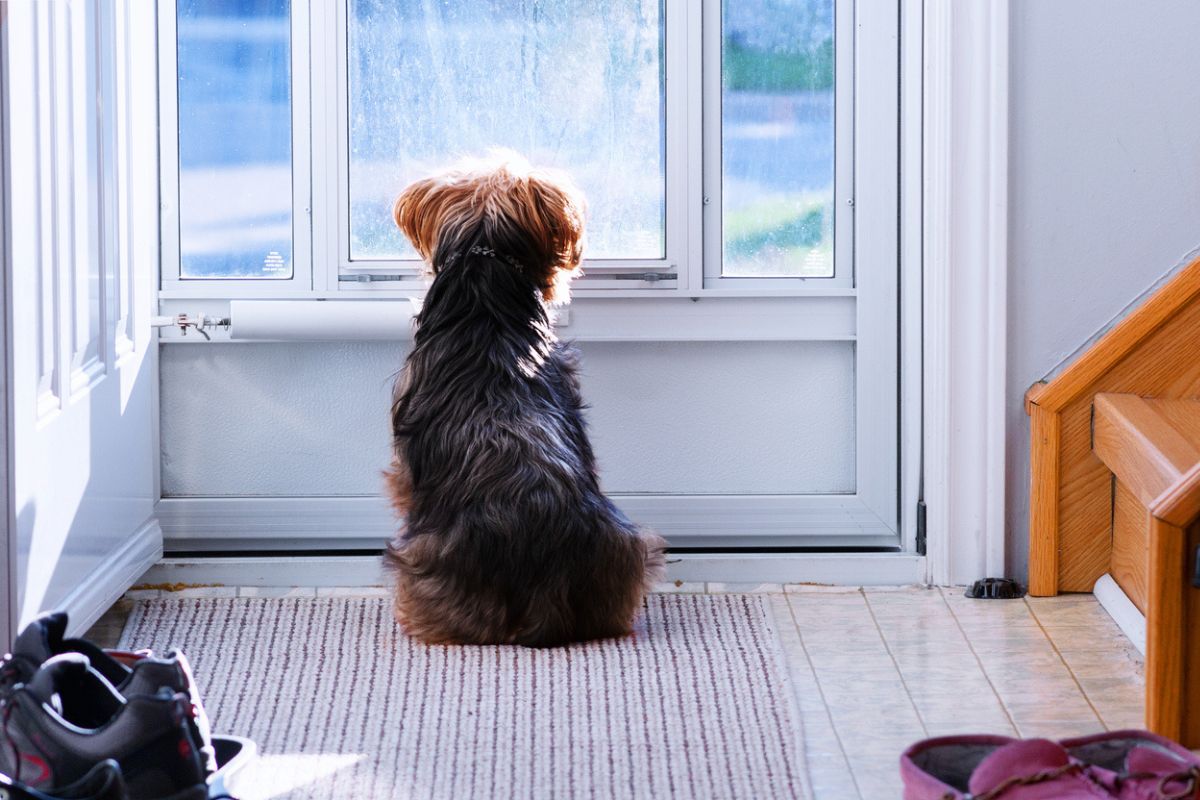
If your dog seems to panic every time you leave the house, they could be dealing with separation anxiety. Separation anxiety in dogs is common, and with a kind, step-by-step plan most dogs can learn to feel safe when home alone.
This guide will help you spot the signs of separation anxiety, understand the causes and share tips on how to calm your anxious dog. That way, you can both enjoy some much-needed space without the stress.
What is separation anxiety in dogs?
Separation anxiety is a panic response when a dog is apart from their person. It’s not naughtiness or attention-seeking behaviour, it’s fear, says certified trainer Angela Fletcher, who works with veterinary behaviourist Dr Jess Beer at Kiwi Vet Behaviour.
“It isn’t just about being left out of the fun, it is a full-on panic attack,” she says.
Whining or barking as you leave is not “normal goodbye noise”, it sits under separation anxiety and needs support, not scolding.
Signs of separation anxiety in dogs
Watch out for changes in your dog’s behaviour before you leave, while you’re gone, or just after you walk back in the door. Common signs include:
- Barking, whining or howling that continues
- Chewing or scratching, especially near doors and windows
- Pacing, restlessness, panting or drooling
- House soiling even though toilet training is solid
- Damage near exits or attempts to escape
- Clinginess before you go, shadowing you from room to room
Here’s a tip: film your dog for the first ten minutes after you leave. That short clip makes it easier for your vet or trainer to tailor a plan.
What causes separation anxiety in dogs?
Separation anxiety usually doesn’t have just one cause. Some dogs are naturally more anxious, and big changes like moving house, rehoming, or sudden changes in routine can also lead to separation anxiety. Dogs that never learned how to relax on their own may also struggle. Health problems or pain can add to their stress, which is why it’s a good idea to visit your vet for a health check.
How to help a dog with separation anxiety
“Ignoring bad behaviour won’t help separation anxiety, says Fletcher, “Positive reinforcement training and keeping them under threshold will.”
Here is a step-by-step plan that follows that guidance.
Step 1: Desensitisation and counterconditioning
Teach your dog that being alone is safe. Start with very short absences your dog can handle without a hint of distress, even if that is a two second door close. Return while they are calm, repeat, then gradually add more time. If you see early signs of worry, like pacing or lip licking, you have gone too far. Step back and progress in smaller steps. Do not punish fear.
Step 2: Management while you train
Set your dog up for success by avoiding absences they can’t handle. Use a pet sitter and take your dog with you when you can. Doggy daycare can be a short-term alternative to being alone for some dogs, but busy group settings can overwhelm anxious dogs, so decide case by case with professional advice. Crates only help if your dog already relaxes in one.
Step 3: Do not “cry it out”
Leaving your dog to bark it out does not help when a dog is in a panic. Fletcher’s advice is to return immediately; lower the difficulty and try again at a level your dog can handle. “Many people leave their dogs barking to wait for a quiet patch, but this isn’t ‘naughty behaviour’ it is emotion,” she says. Your dog is experiencing “feelings like a panic attack.”
Step 4: Call in the pros
If progress stalls, speak with your vet. They can rule out medical issues, discuss medication to lower overall anxiety and refer you to a veterinary behaviourist or a positive reinforcement trainer with separation credentials such as SA Pro or SACP.
How long does it take
Timelines can vary. Many dogs show early wins within a few weeks once you stop triggering full panic and stack up easy, calm absences. Tougher cases can take months. Keep a simple log, change one thing at a time and look for steady gains.
What does success look like
Your dog can rest, settle or chew quietly while you run everyday errands. No frantic vocalising, no pacing, no door damage, no indoor toileting. They may still prefer you nearby, but they can cope when you leave the house.