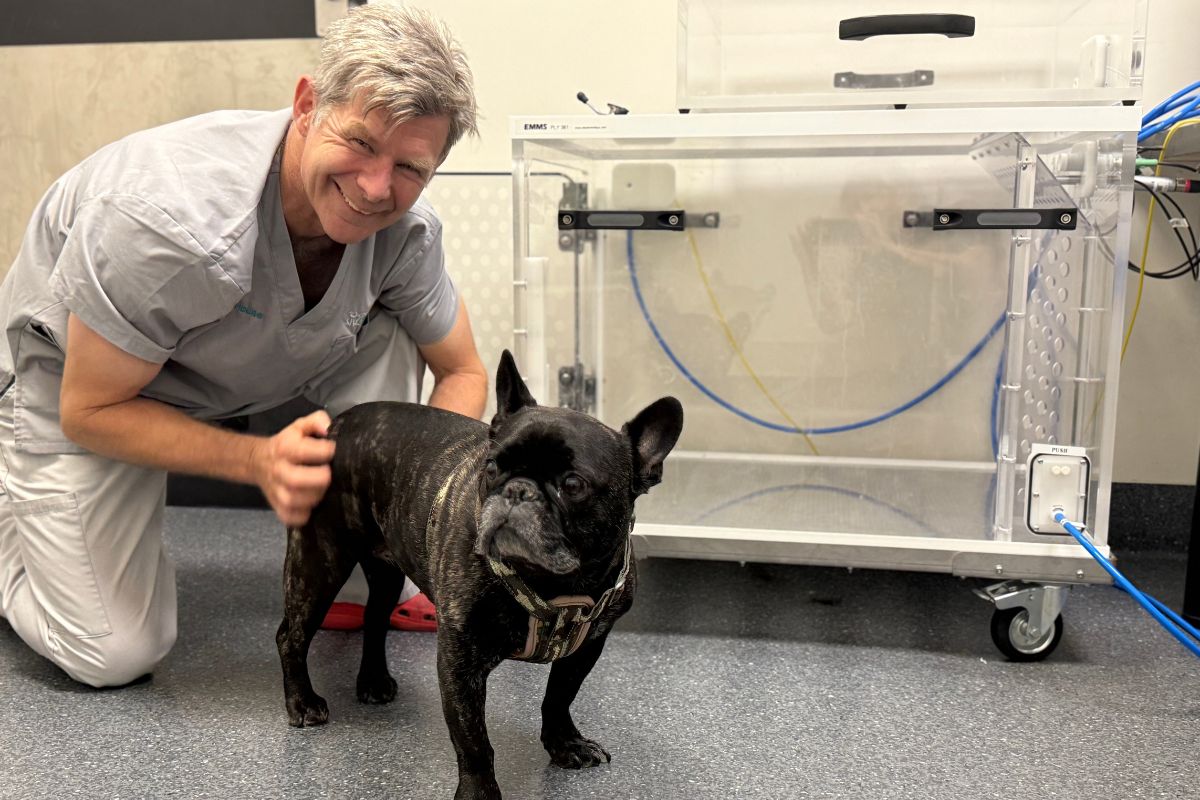

You may have fallen in love with that button nose and wide-eyed stare, especially as a puppy, but brachycephalic – or flat-faced – pets come with health quirks that every owner needs to know about.
What does brachycephalic mean?
Brachycephalic literally means short-headed. These breeds have shortened skulls that give them their flat faces, snub noses, wrinkled skin and wide-set eyes. You’ll see these features in breed like pugs, bulldogs (French and English), Boston terriers, boxers, as well as cats such as Persians and Himalayans.
Health challenges: when cuteness comes at a cost
Flat-faced pets may look irresistibly cute, but their unique features can come with extra health issues. Breathing difficulties are the most common, with the most concerning being Brachycephalic Obstructive Airway Syndrome (BOAS), a condition where narrow airways make it hard to breathe. In some cases, surgery may be needed. Breathing difficulties can also increase the risk of heart-related illnesses such as heatstroke.
Other common health issues include:
- Large, protruding eyes that are more prone to injury
- Crowded teeth, which increase the risk of gum disease and infection
- Deep skin folds that trap moisture and easily become irritated or infected
Even routine vet visits can be more complex. Flat-faced pets face greater risks under sedation and anaesthesia, so procedures like dentals, desexing or imaging may take longer and require more intensive monitoring. Your vet may refer you to a clinic with specialised equipment or an extended recovery stay to keep your pet safe.
Signs of distress: when snorts aren’t cute
Snorts, snores and funny little squeaks might seem endearing, but often they’re your pet’s way of showing you that something isn’t quite right.
“Social media has millions of posts of cute noises that these dogs make,” says specialist surgeon Dr Arthur House from Peninsula Vet Emergency and Referral Hospital. “People find these noises endearing but unfortunately they can represent signs of respiratory distress.”
Other signs of distress can include:
- Noisy breathing or heavy snoring
- Gagging and coughing
- Struggling in warm weather
- Collapsing after play
- Blue-tinged gums or tongue
If you notice any of these, take your pet to the vet straight away.
Everyday care tips
With a bit of extra attention, flat-faced pets can live comfortable, happy lives. Some of the best ways to help include:
- Watch their weight – carrying extra kilos makes breathing harder and puts extra pressure on the heart.
- Keep them cool – avoid hot or humid weather, provide shade at home and carry water on walks.
- Exercise gently – stick to short strolls rather than long runs or rough play sessions.
- Daily hygiene – clean skin folds to prevent infection and gently wipe around the eyes to reduce irritation.
- Plan vet visits – schedule regular check-ups to catch issues early, especially with breathing, eyes, teeth and skin.
- Choose the right gear – use a harness instead of a collar to avoid extra pressure on the airway.
- Routine grooming – keep nails trimmed so your pet walks comfortably and avoids extra strain.
Breeding responsibly
Dr House says responsible breeding makes a real difference. “I work with breeders in a way that’s not confrontational and is educational,” he says. “The welfare of the dogs is paramount, as is making their lives comfortable.”
Many breeders now use respiratory function grading (RFG) to score dogs from 0 (clear) to 3 (severe), and it’s worth asking to see certificates of the parents before bringing a puppy home.
Why love outweighs the challenges
Despite the challenges, Dr House has a very soft spot for these soft and squishy furbabies – and he’s not alone.
“There’s statistics around pet ownership, and one of them is that 90% of French bulldog owners will go and buy a subsequent French bulldog after the death of their first one, irrespective of whether or not they’ve had a lifetime of veterinary visits,” he says.
“They are highly valued by their owners. Even though their health is not fantastic, they’re massively loved and desired.”