If your pug, bulldog or Frenchie is snorting and struggling to breathe, BOAS surgery could be life changing.
Is your pet always snuffling, wheezing or snoring like an old engine? While it might seem like a harmless quirk, these noises often point to a serious underlying issue called BOAS. For many flat-faced breeds, surgery can make all the difference; sometimes transforming their quality of life almost overnight.
What is BOAS?
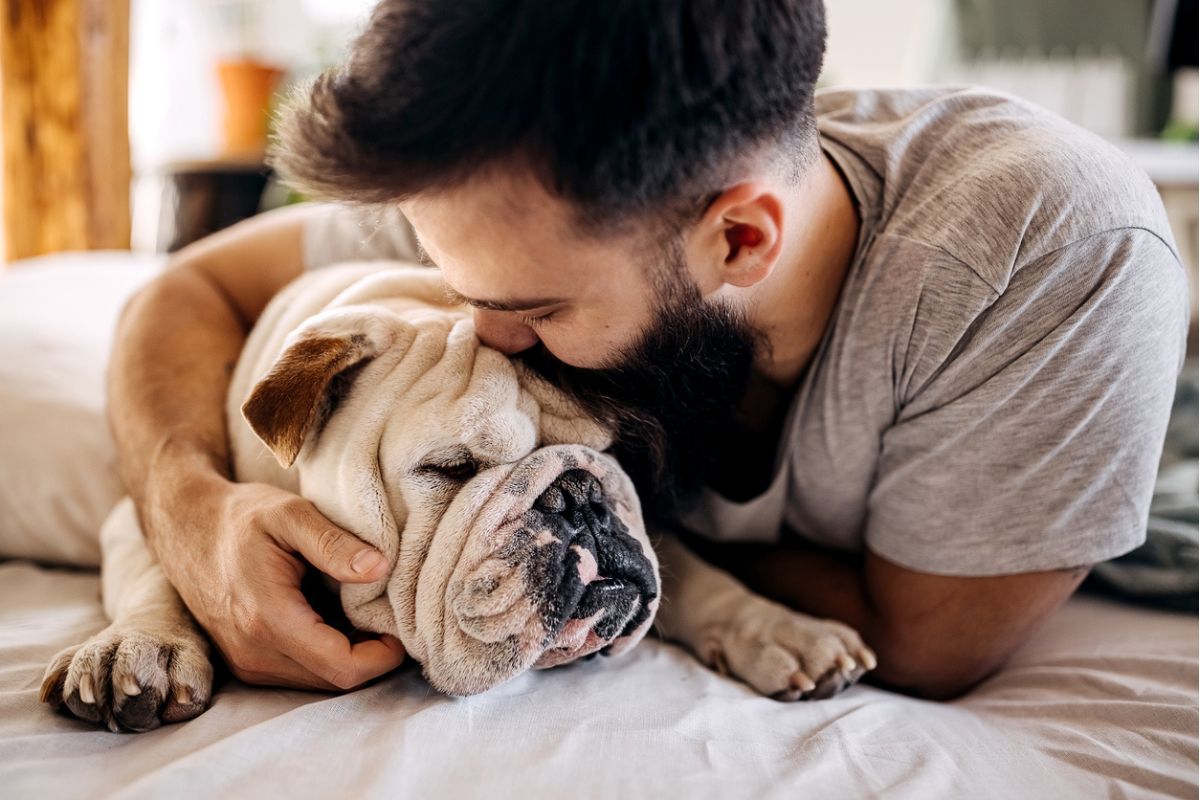
Brachycephalic Obstructive Airway Syndrome (BOAS) is caused by the shortened skull shape of flat-faced pets, which narrows the airways and makes it harder to breathe. The condition is common in dogs like pugs, French and English bulldogs, Boston terriers and boxers.
Cats can also develop BOAS, though it’s far less common. Flat-faced breeds such as Persians and Himalayans may show similar signs, including noisy breathing and reduced tolerance for activity. Most veterinary cases, however, involve dogs.
Signs to watch for
Snorts and snores might get a laugh on social media, but they’re not normal. BOAS can reveal itself in many ways, including:
- Noisy breathing or snoring, even at rest
- Gagging, coughing or retching
- Struggling in warm weather
- Tiring quickly on walks
- Collapsing or fainting during exertion
If your pet is showing any of these signs, see your vet straight away.
How vets diagnose BOAS
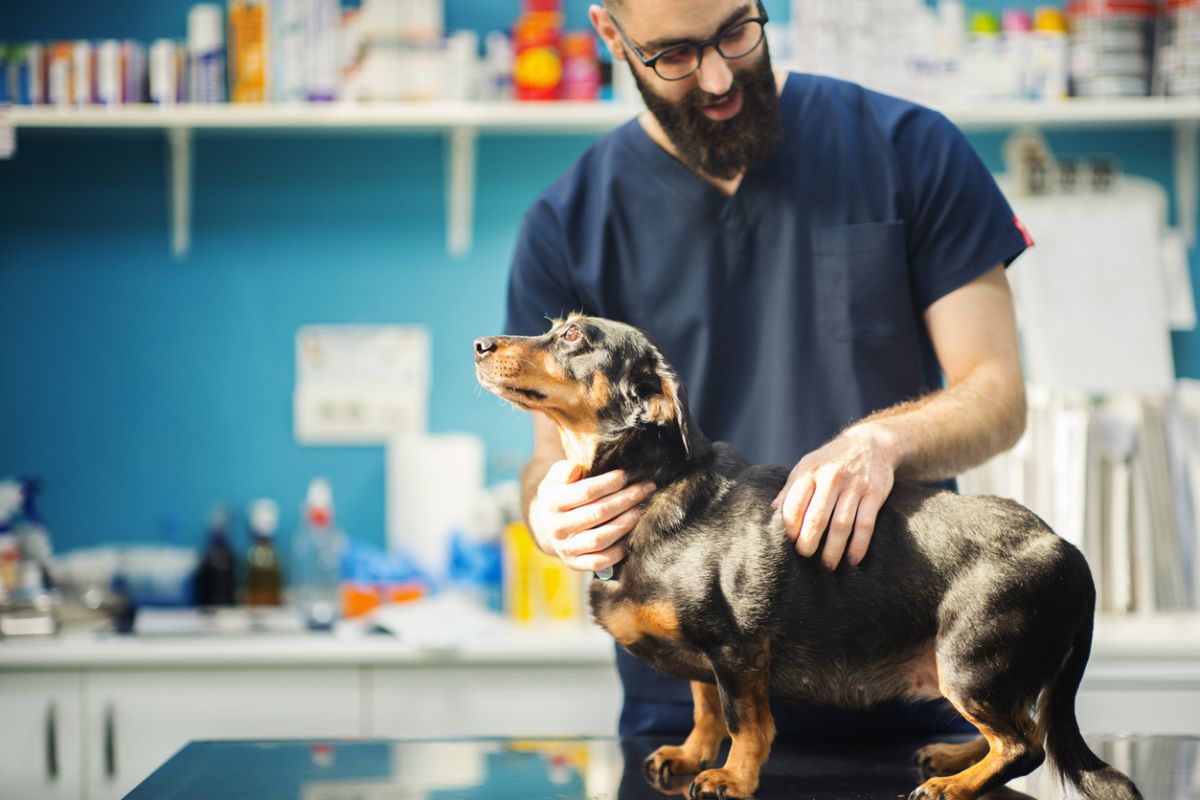
Diagnosis usually combines several steps. A vet will begin with a full physical exam and a discussion of your pet’s exercise tolerance, sleep habits and any signs you’ve noticed. They may use respiratory function grading (RFG), based on a three-minute trot test, to see how your pet’s airways perform under exertion.
The grading also includes an assessment of the nostrils as this is a risk factor for BOAS. Moderate narrowing means the outer and inner nostril walls touch at the top, while in severe cases the nostrils are almost closed and a pet may switch to mouth breathing even with gentle activity. Importantly, some dogs may appear normal at rest but still test positive when put through this type of exercise tolerance assessment.
Further diagnostic tools can include imaging such as X-rays, CT, rhinoscopy and close inspection of the airway under anaesthetic.
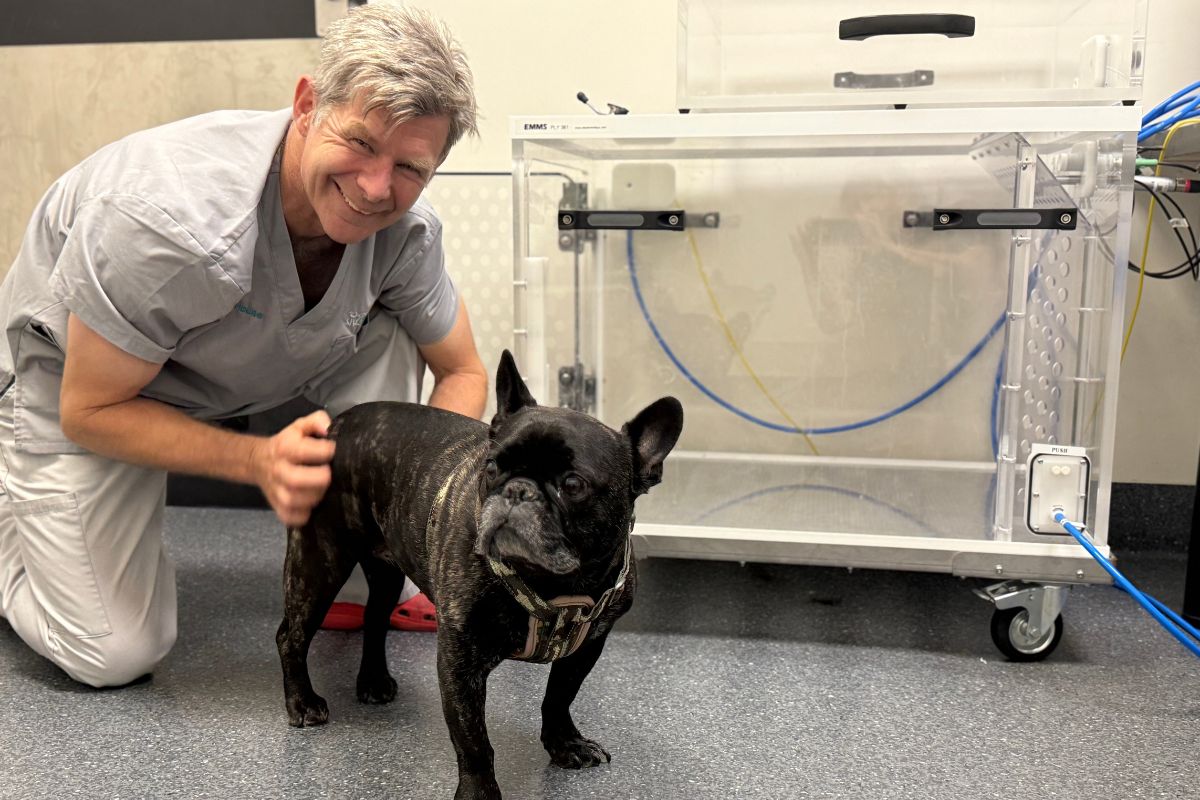
At Peninsula Vet Emergency and Referral Hospital, Dr Arthur House and his team are the only specialists in Australia using whole-body plethysmography, known as a “breathing box” alongside RFG as part of its evaluation. This test allows Dr House and his team to subjectively measure the extent of a dog’s upper airway obstruction, helping them to devise a response that may or may not involve surgery to allow the dog to breathe more freely.
When surgery is needed
Dr House says that the onset of BOAS typically occurs as a dog approaches skeletal maturity. As a result, the degree of severity of BOAS in each individual is usually not apparent until the dog is approximately 12 months of age. There are a small number of dogs with very severe disease that have developed BOAS as young as six months of age. Because BOAS is developing as a dog reaches skeletal maturity, surgical intervention is usually not indicated before 12 months of age though the very severe juvenile onset cases can require earlier intervention.
“If surgery is suggested for your dog and your dog’s less than a 10 – 12 months old, you would have to have a significant presentation. Surgery at six months old is rare, it is reserved for the very severe case, if you are worried perhaps get another opinion.
For dogs who need BOAS surgery we prefer to do the procedures when they are younger, typically between 1 – 2 years of age, before they develop secondary problems such as laryngeal collapse. Laryngeal collapse can be life threatening and we hope that early intervention can help reduce laryngeal collapse later in life.”
Opening the airways
The goal of BOAS surgery is to help pets breathe more freely. Depending on the individual, a surgeon may:
- Widen narrowed nostrils
- Shorten and thin an overlong soft palate
- Remove enlarged tonsils
- Excise laryngeal saccules that are blocking the airway
Dr House and his team also perform laser-assisted turbinectomy (LATE), a new and innovative procedure that is still very limited in availability across Australia. LATE is particularly beneficial for dogs that haven’t responded well to traditional surgery, or for those with significant nasal obstruction resulting in sleep apnoea or daytime fatigue.
These procedures are performed under general anaesthetic, and in many cases more than one adjustment is made at the same time to give the best outcome.
Exploring non-surgical treatments
Dr House is also leading a non-surgical treatment approach for flat-faced dogs struggling to breathe. After a successful clinical trial in British Bulldogs which has shown promising results, the treatment is now being extended to smaller breeds.
“The treatment uses tetanus toxoid, the opposite of Botox, which contracts muscles instead of relaxing them. It’s injected under the tongue to help pull the larynx forward, improving airflow.”
Anaesthesia: extra caution needed
Flat-faced pets face greater risks with sedation and anaesthesia because of their narrowed airways. Even standard procedures such as dental work or desexing can become more complicated. Specialist teams reduce these risks with pre-oxygenation, advanced airway support and intensive monitoring throughout the procedure and recovery.
Recovery and post-op care
After surgery, pets are carefully monitored as they wake from anaesthetic. Most can return home within a couple of days, though owners will need to follow post-op instructions closely. This usually includes keeping activity light for a week or two, feeding soft food while the throat heals, and avoiding hot weather or overexertion. Follow-up visits are important to make sure the airway is healing well.
The difference can be dramatic. “I get immense satisfaction through the feedback from owners when they come back in for follow-up checks after surgery,” Dr House says. “Just their descriptions of how much their dog’s lives have changed. And it’s immediate. Often within two days of the surgery, the dog is substantially improved and suddenly can sleep and wants to play with his toys and go for a walk.”
What it costs
According to 2024 PetSure claims data, the average cost to treat BOAS was $3,174, with the highest single claim reaching $29,775. Costs vary depending on the severity of the condition and the complexity of the surgery, but many owners consider the results priceless.
Breathe easier
BOAS surgery isn’t right for every pet, but for many it is life changing. With early diagnosis, responsible breeding and specialist care, flat-faced dogs and cats can enjoy a healthier, more active life.