Your cat’s kidneys do a lot of behind-the-scenes work – until they don’t. Kidney disease is common in older cats and can progress quietly. Find out what it is, how to spot it and how to manage it long term, with tips on hydration, diet and early detection.
Have you ever got a flat tyre on your car then discovered a puncture has been leaking air for ages without you even noticing? Kidney disease in cats can be a little like that. Vet Dr Nick Emerton, General Manager for Clinical Excellence at VetPartners, says kidney damage in cats can be playing out in the background without any signs of trouble in its early stages – until the problems become serious.
“Cats are really good at compensating for kidney damage,” says Dr Emerton. “They can keep cracking along without any symptoms up until the point where they’ve lost 30% or more of renal capacity. It’s only then that you’re going to see symptoms.”
Kidney disease can be life-threatening, but when it’s detected early you can prevent it from severely impacting your cat’s quality of life, says Dr Emerton. That’s a very good reason to book in your cat for regular check-ups and tests, even if they don’t seem unwell.
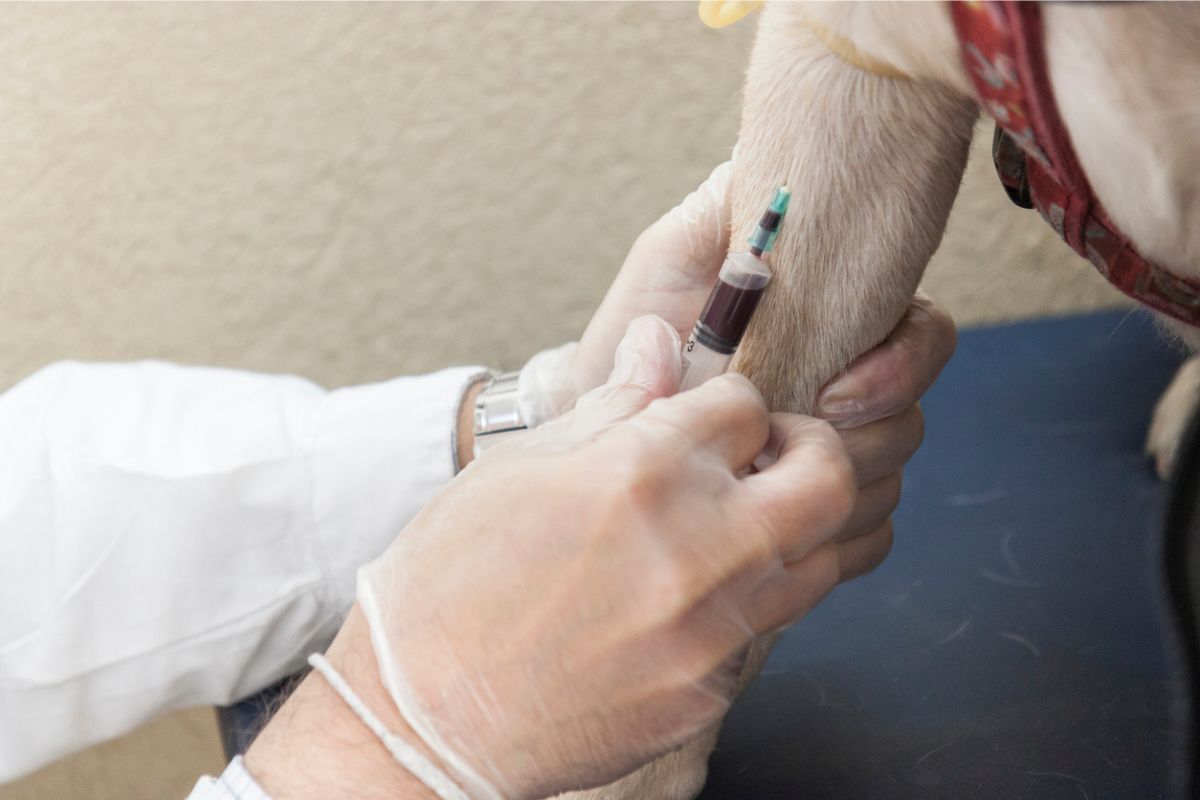
“Regular blood screening is the best way to pick up kidney problems before symptoms appear.”
What is kidney disease in cats?
When it comes to keeping your cat’s body running smoothly, your cat’s kidneys are doing some of the most important behind-the-scenes work.
This hard-working pair of organs is responsible for filtering blood, making urine, regulating fluids and minerals including electrolytes, and helping keep blood pressure in a healthy range.
Unfortunately, as cats get older, they become more susceptible to kidney problems, with older cats aged seven and over the most likely age group to develop kidney disease (sometimes called renal disease). Cats can have either chronic (long-term and incurable) or acute (sudden) forms of kidney disease.
Chronic kidney disease (CKD) is when kidney damage has developed to the point where a cat has lost about two-thirds of their kidney function. CKD is more common in cats than in dogs, and as well as old age, it can also be caused by:
- Infections
- Blockages
- Underlying conditions, such as cancer
Acute kidney disease is less common than the chronic form. It comes on suddenly and can be caused by factors such as:
- Infections
- Poisoning
- Insect or snake bites
- Trauma
- Underlying conditions, such as heart failure.
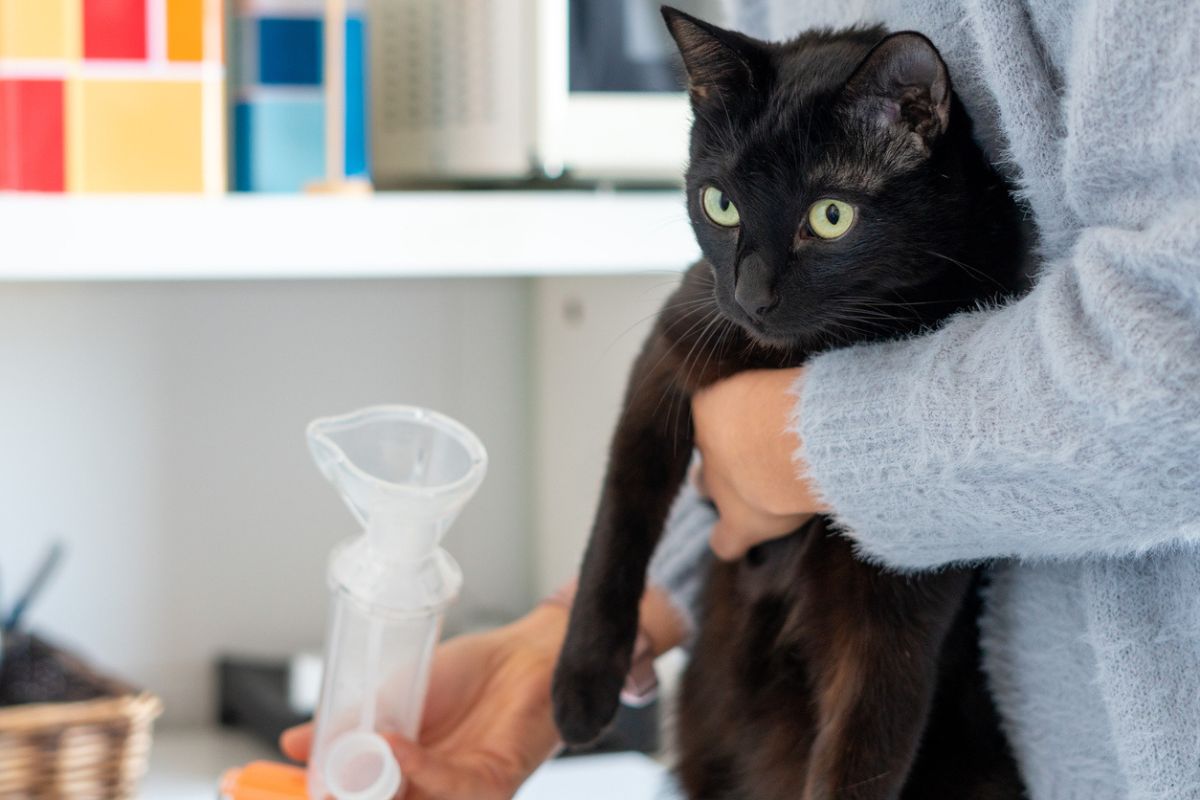
If your vet suspects your cat has kidney disease, they’ll run blood and urine tests to look for markers that indicate whether the kidneys are working as they should, including levels of waste products that healthy kidneys would filter out. Blood and urine tests will also help your vet to rule out other conditions with similar symptoms, such as diabetes and hyperthyroidism. In some cases, your vet will use ultrasound, X-rays and biopsies to find out the extent of kidney damage, and since blood pressure is affected by kidney health, your cat’s blood pressure will be checked.
Signs of kidney disease in cats
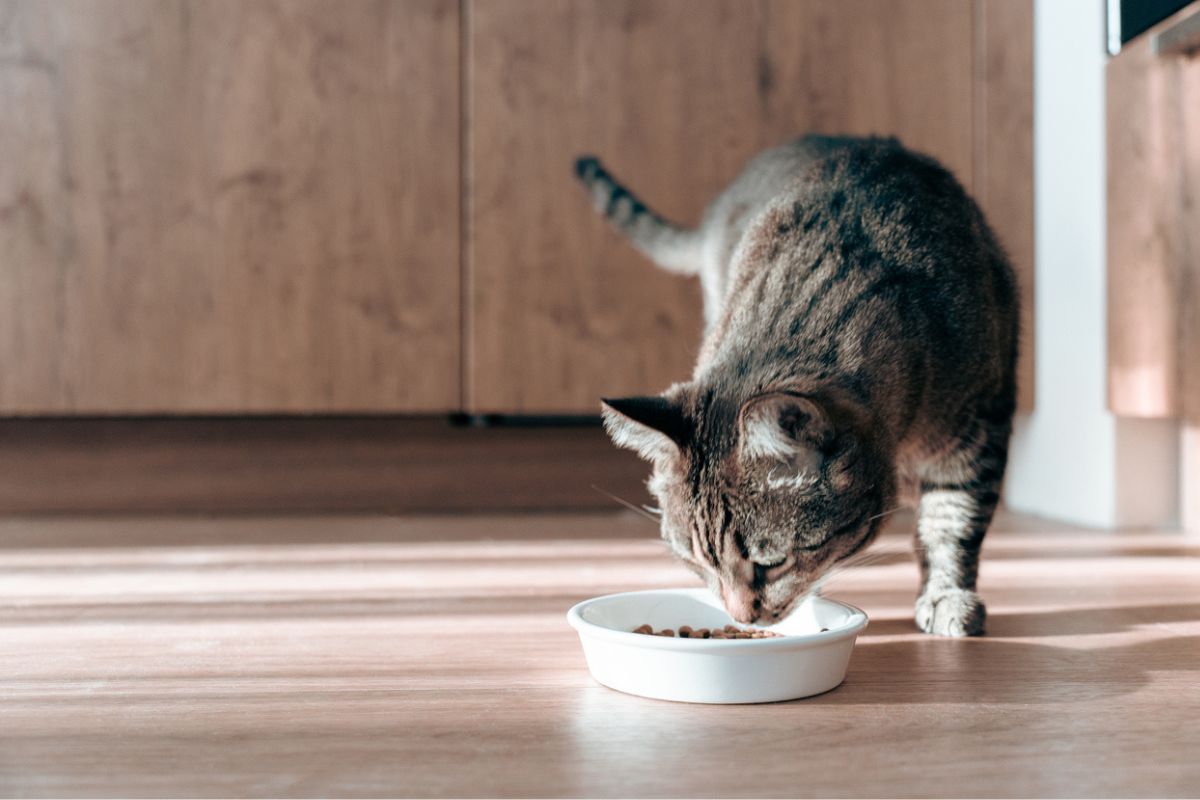
The first thing you may notice is a change in your cat’s eating habits. Dr Emerton says the key sign of kidney disease that should put cat owners on high alert is a reduced appetite – especially if your cat seems thirstier than usual.
“Unlike weight loss in diabetes and hyperthyroidism, weight loss occurs in cats with renal disease because they don’t eat,” he says. “They feel sick, so their weight loss is the direct result of feeling pretty ordinary and not eating.”
As well as weight loss and increased thirst, other signs of kidney disease you might notice include:
- Vomiting
- Constipation
- Foul breath
- Changes in body temperature
- Poor coat quality
- Problems with urination – including weeing more often, and in places they shouldn’t
- Behaviour changes, such as hiding or being less active.
Treating renal disease in cats
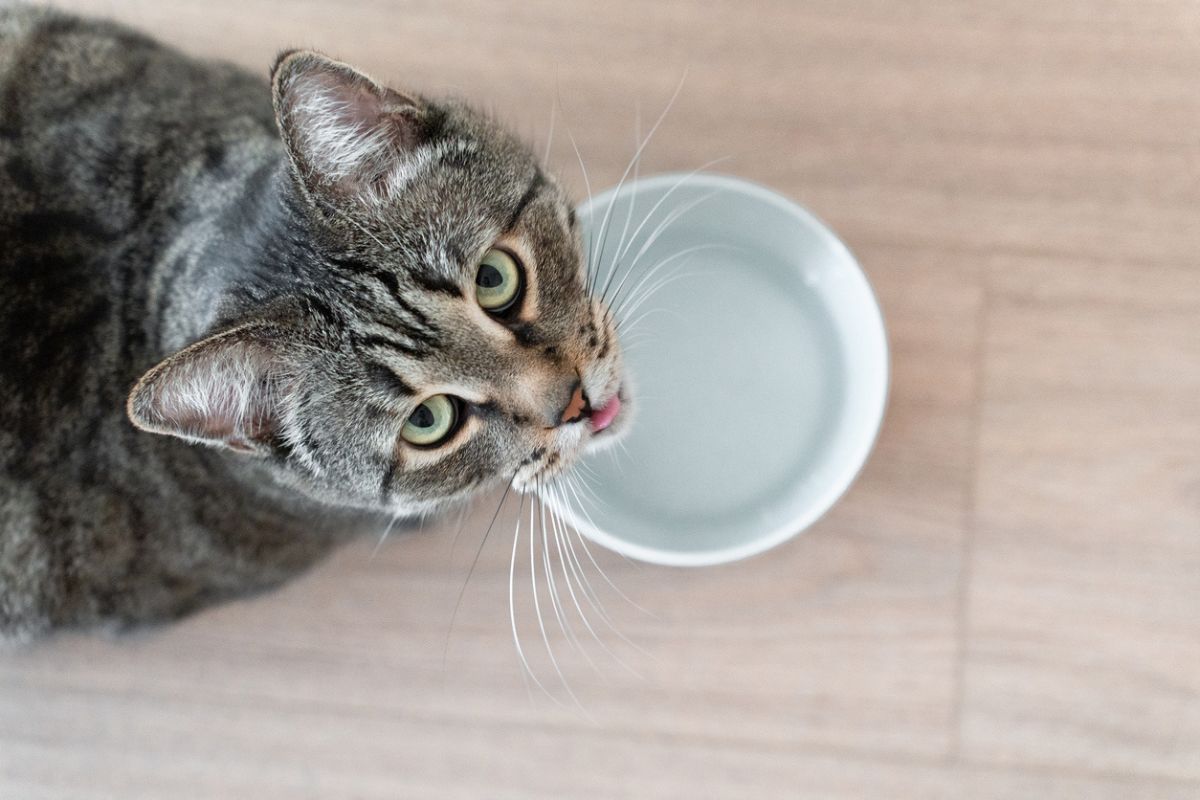
Once kidney disease has progressed to chronic stage, the kidney damage can’t be reversed, but there are lots of things you can do to improve your cat’s quality of life. The number one priority is making sure they drink lots of water so they don’t get dehydrated (which would cause more damage to kidneys). Put plenty of bowls of clean water around the house and consider getting a cat water fountain to make water more appealing.
You’ll also need to get your cat on a specialised diet that supports their kidneys and encourages them to eat, which has been shown to help cats with CKD live two to three times longer.
“With kidney disease, the waste products from protein metabolism build up in the bloodstream, and that’s what makes them feel really sick and does the damage,” Dr Emerton says. “A kidney-specific diet has restricted protein and phosphorus, high calories and high palatability – a perfect balance of ingredients to cater for damaged kidneys.”
It might be challenging for your cat to adjust to the new diet, so a little patience could be required – ask your vet for their tips.