If your cat’s acting like they’ve had one too many espressos – racing around, yelling for food, losing weight – their thyroid might be to blame. Hyperthyroidism is one of the most treatable feline conditions if detected early. Find out what it is, how it’s diagnosed and why it matters.
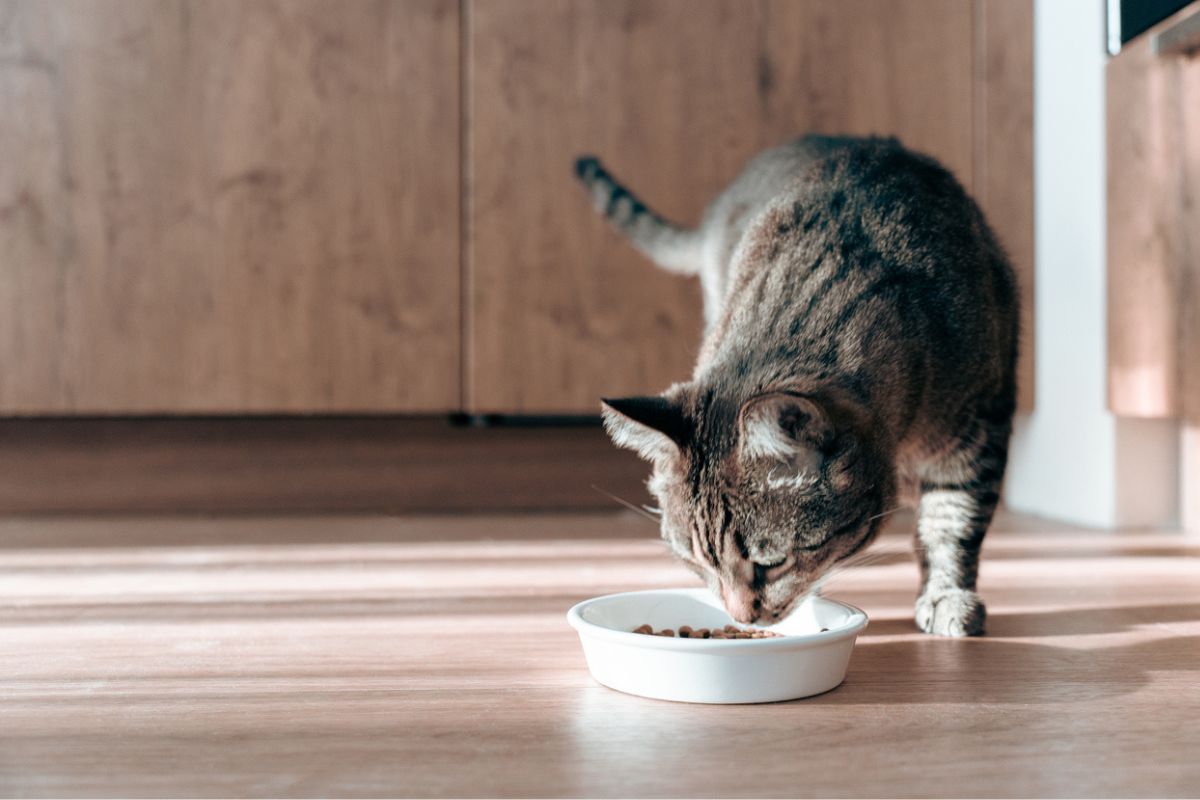
Cats are famously good at covering up illness, but when it comes to hyperthyroidism, there’s a sign of trouble they just can’t hide – weight loss. And when weight loss is combined with an increase in appetite, your cat could have hyperthyroidism.
Vet Dr Nick Emerton, General Manager for Clinical Excellence at VetPartners, says hyperthyroidism can lead to serious, life-threatening problems for your cat, but is highly treatable with early detection.
“We can detect hyperthyroidism before it’s causing advanced issues – because by the time your cat’s losing weight and eating copious amounts of food, it’s probably well on its disease trajectory,” he says.
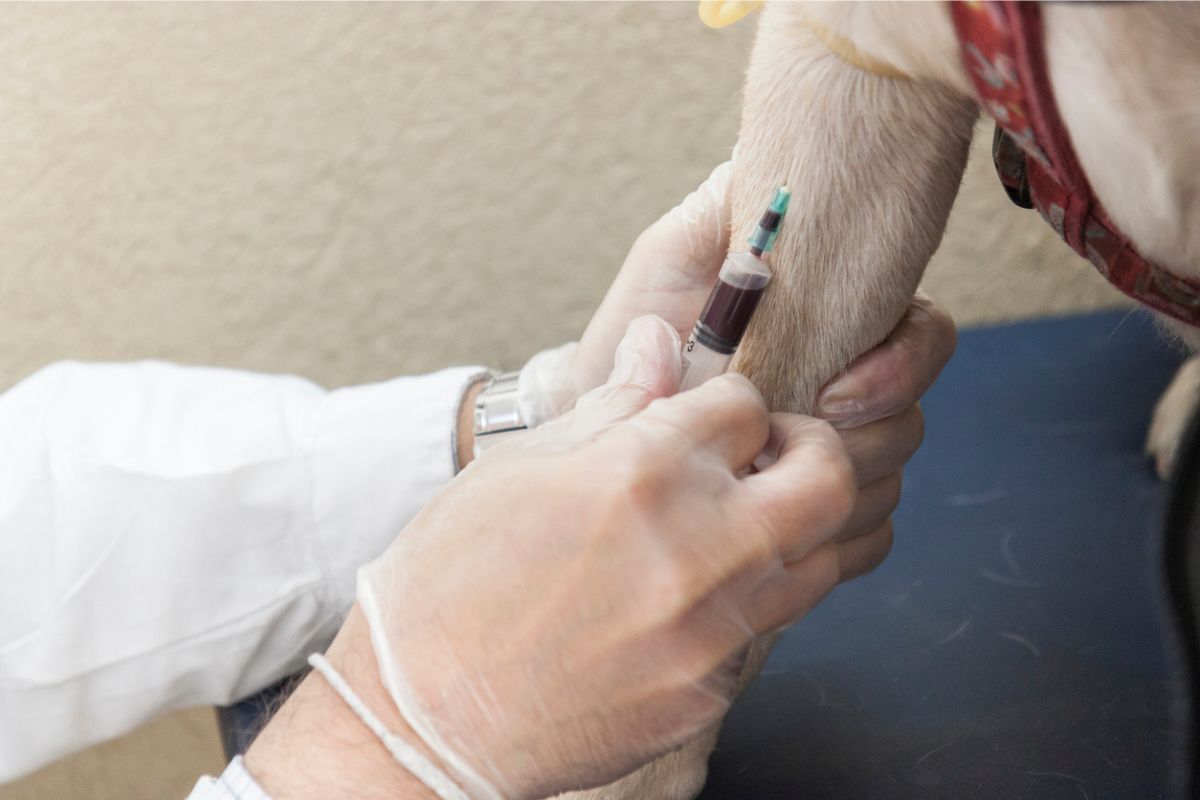
“Annual blood screening is a fantastic way to detect hyperthyroidism and any condition that might be in its early stages, which affords us the best opportunity to intervene.”
What is hyperthyroidism?
Hyperthyroidism is a disease caused by a fault in your cat’s thyroid, a gland that helps manage metabolism. If the thyroid starts to create too much of a hormone called thyroxine, your cat’s metabolism will go into overdrive. It’s a little like their metabolism chugged a Red Bull.
But while hyperthyroidism is common in cats, it’s rare in dogs – in fact, dogs are more likely to get the opposite problem: hypothyroidism, which means having an underactive thyroid.
Hyperthyroidism is most likely to affect middle-aged and senior cats. It’s usually caused by a benign tumour, but in very rare cases (1-2%), it’s due to a cancerous tumour.
“The high levels of thyroid hormone that are involved with the condition are not dangerous in themselves – it’s the impact that thyroid hormone has on metabolic rate that is the danger,” Dr Emerton explains. “It causes a significant increase in blood pressure, and that’s going to do two things: it’s potentially going to cause blindness – high blood pressure causes the retina to detach – and it can lead to kidney failure.”
In some cases, hyperthyroidism can also lead to a very common heart condition called hypertrophic cardiomyopathy, where the walls of the left ventricle of the heart become so large and thick they can’t fill with blood effectively.
What are the signs of hyperthyroidism in cats?
As well as significant weight loss and a ravenous appetite, other signs of hyperthyroidism in cats include:
- Anxiety
- Vomiting and/or diarrhoea
- Behaviour changes, especially hyperactivity, or sometimes aggression and restlessness
- Appearance changes, including thickened nails and looking unkempt
- Being noisier (especially at night).
Urinating more frequently is not a sign of hyperthyroidism in cats, says Dr Emerton. It’s more likely to indicate diabetes. Always see your vet if you notice significant changes in your cat’s weeing habits to rule out serious health conditions.
How is hyperthyroidism in cats diagnosed?
When your vet is examining a cat, the tell-tale sign of hyperthyroidism will be a high resting heart rate, says Dr Emerton, which is due to the condition causing high blood pressure. Vets will also check your moggy’s neck for signs of an enlarged thyroid gland and will run blood and urine tests to check levels of thyroxine. They’ll also check for markers that could show your cat is having problems with their heart or kidneys as a result of thyroid issues.
Confusingly, cats with hyperthyroidism can sometimes have normal levels of the thyroid hormone, so your vet might ask you to bring back your cat for further tests and a thyroid scan before making a final diagnosis.
Treating hyperthyroidism in cats
The aim of treating hyperthyroidism in cats is to prevent the condition from causing damage to your cat’s eyes, kidneys and heart. Your cat’s treatment plan might include:
- Medication to slow production of thyroid hormones. “This is given either by tablet or there’s a gel that you can apply to the inner side of the ear that’s absorbed through the skin,” says Dr Emerton.
- A diet with restricted levels of iodine. This special diet has to be the only food given, which means no treats for your cat, no matter how much they might try to convince you that they really, really deserve it.
- Surgery to remove one or both lobes of the thyroid gland.
- Radiation therapy to kill diseased tissue in the thyroid gland. This involves hospitalisation for at least a week, but thankfully it’s a one-time-only procedure in most cases. “Radiation therapy is considered gold standard – it’s extremely effective at curing hyperthyroidism,” says Dr Emerton. “The other treatment options control it and manage it, but radiation therapy will cure the disease in most cases.”
If you have any concerns about your cat’s treatment for hyperthyroidism or want to know how you can help them get the best health outcomes, ask your vet for advice.